Key Takeaway
Choose flatbed for open access and side wall for containment-led cargo movement.
When Flatbed Trailers Make Sense
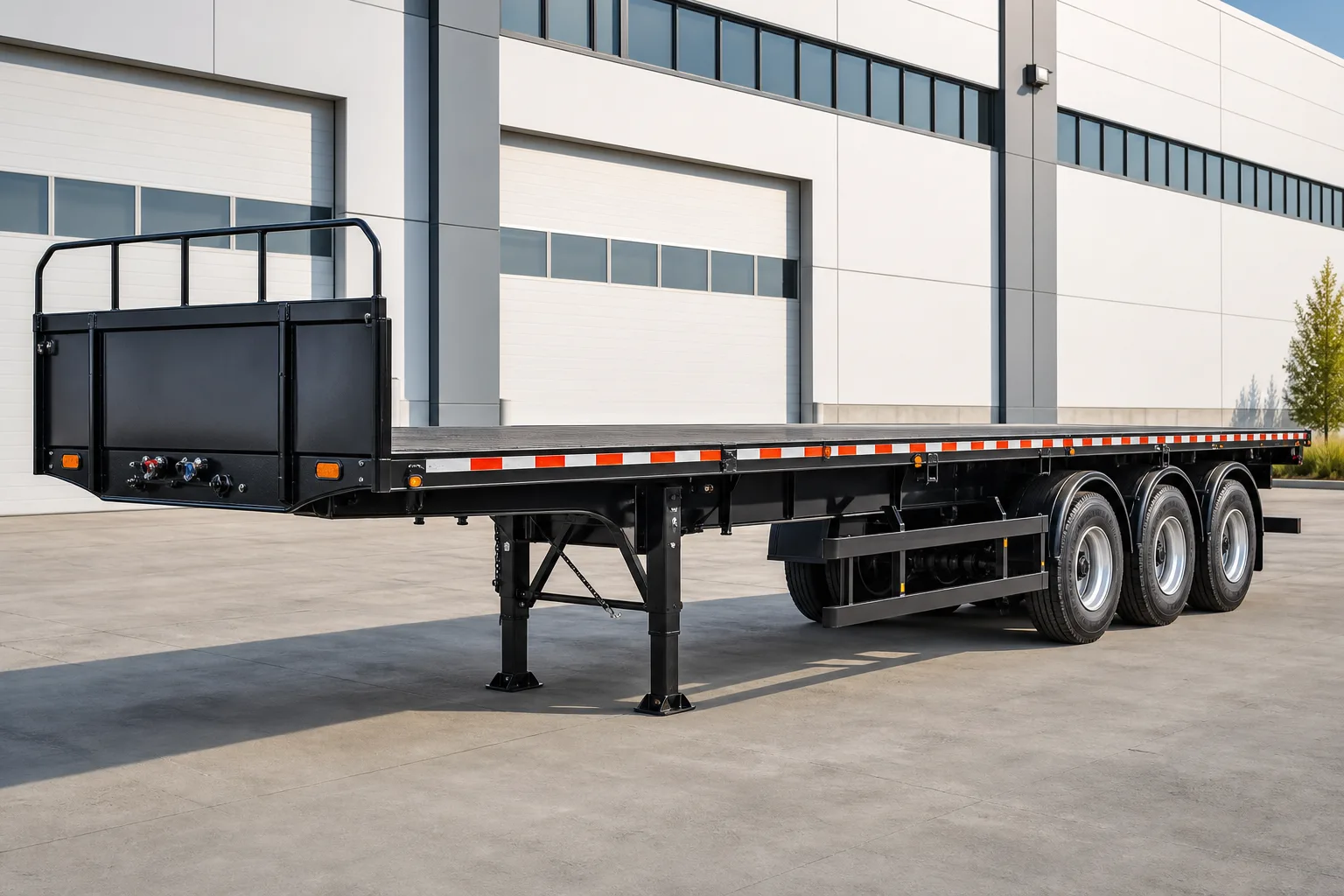
Flatbeds are useful when cargo needs crane access, side loading, oversize handling, or flexible lashing. They are often preferred for machinery, steel, equipment, and industrial materials where open access saves loading time.
When Side Wall Trailers Help
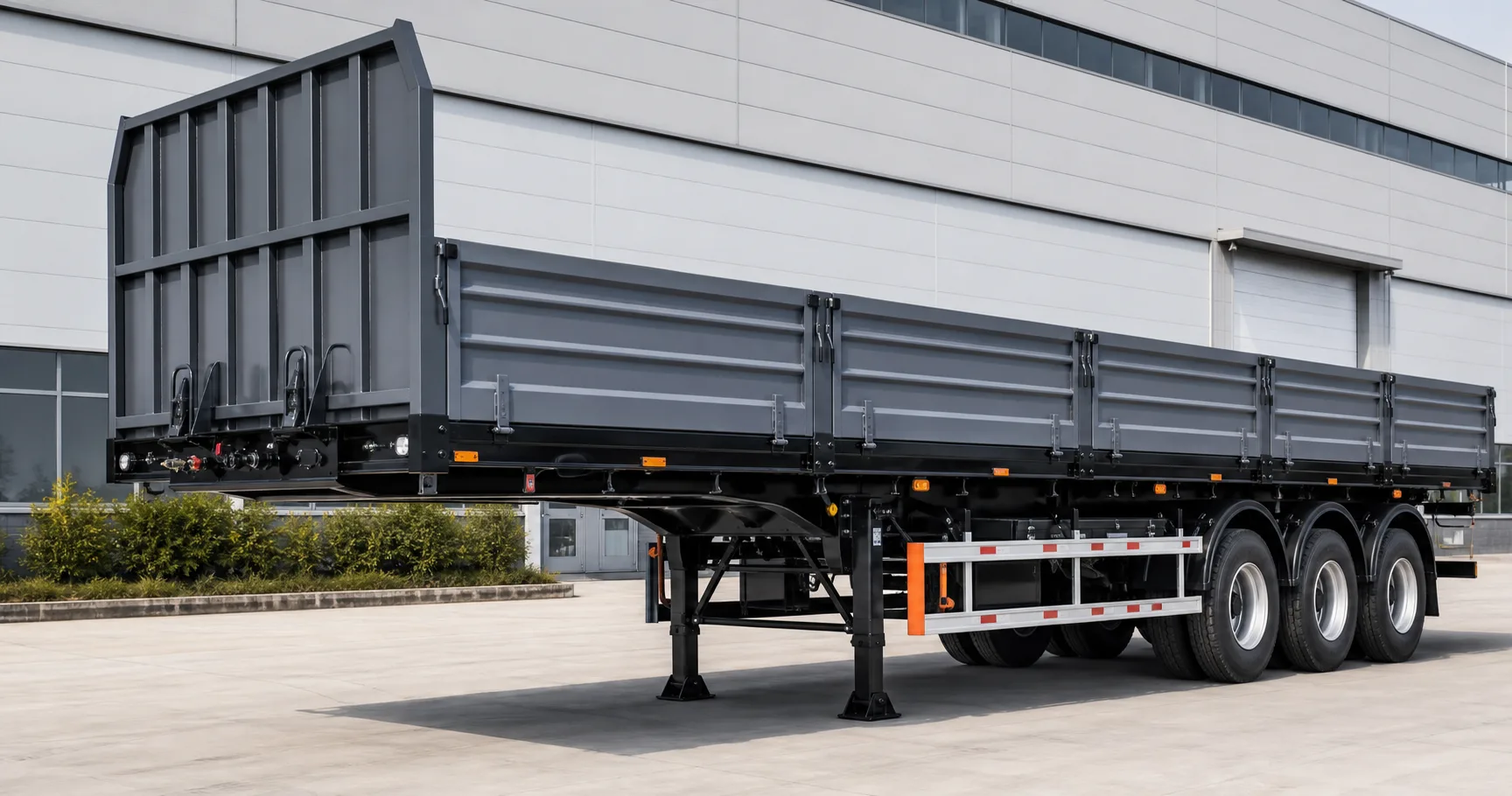
Side wall trailers provide containment for bagged goods, packaged cargo, agricultural loads, and mixed industrial material. The walls help reduce cargo movement and support safer handling when loads are not naturally self-contained.
Choose For Current And Future Loads
Many fleets carry more than one cargo type over time. Buyers should discuss both present and likely future use so the chosen trailer body does not become too narrow for the business.
The choice between flatbed and side wall trailers starts with whether the load needs open access, side containment, or both.
Buyer Checklist
Use this checklist before your next inquiry.
Cargo shape and securing method
Forklift or crane loading access
Need for side containment
Route vibration and cargo movement
Unloading frequency
Future mixed-load usage