Key Takeaway
Start with cargo behavior and route reality before selecting the trailer body.
Start With Cargo Behavior
Industrial cargo can be rigid, loose, packed, oversized, sensitive to vibration, or difficult to secure. The trailer body should be selected after understanding how the cargo behaves during loading, travel, and unloading.
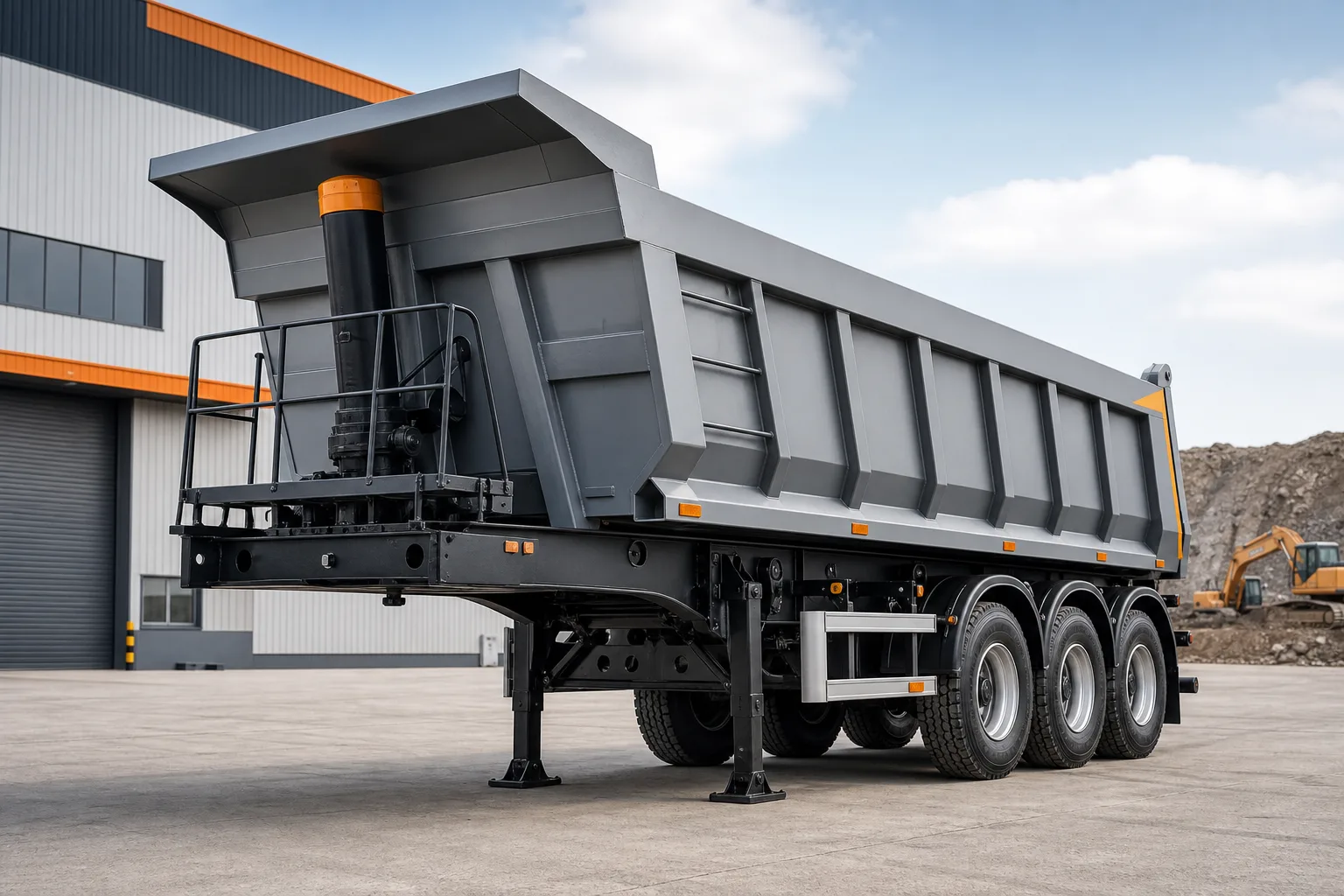
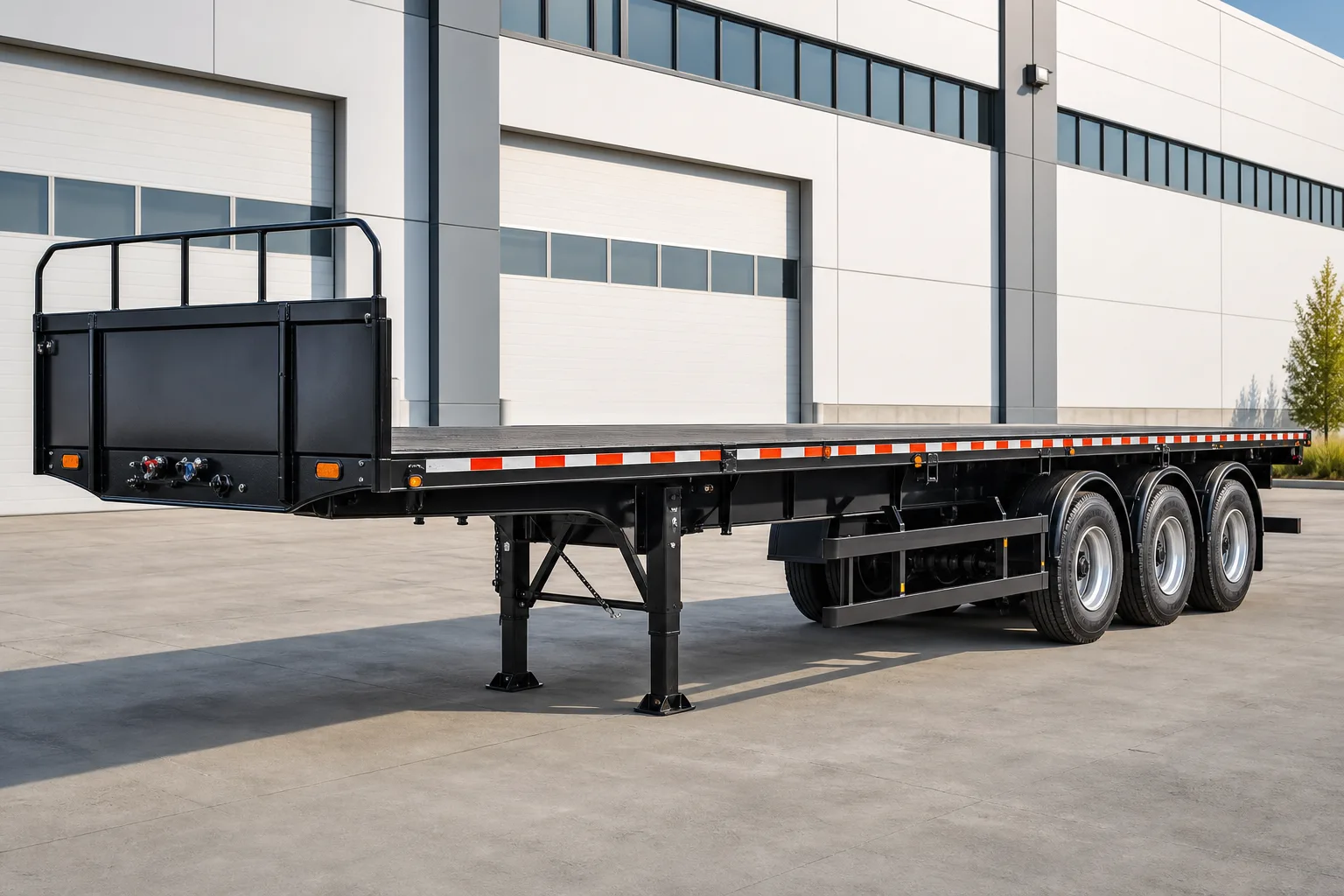
Flatbeds work well when access and lashing flexibility matter. Side wall trailers support mixed or contained cargo. Tippers suit unloading-heavy material movement, while skeletal trailers are purpose-built for containers.
Match Trailer Type To Route Reality
Payload capacity alone does not complete the decision. Buyers should consider road condition, loading site access, turning radius, unloading space, operating geography, and whether the trailer will face repeated short-cycle work or long-haul movement.
A well-matched trailer reduces avoidable stress on structure, suspension, tyres, and fitments over time.
Discuss Configuration Before Price
Before asking for the final quotation, share dimensions, expected load, commodity type, route details, axle preferences, braking expectations, and delivery timeline. This helps the manufacturer recommend a configuration that suits the application instead of forcing a generic product into a demanding job.
A trailer specification is only useful when it reflects the cargo, the route, and the way the fleet will actually load and unload it.
Buyer Checklist
Use this checklist before your next inquiry.
Payload and cargo format
Route and road condition
Loading and unloading method
Axle and suspension requirement
Body style and deck dimensions
Documentation and delivery timeline